

A NEW WAY TO TRAVEL: the luxury of local food culture.
May 8th, 2026
Food tourism is shifting. For years, travel culture celebrated the spectacular: the hottest restaurant reservations, share-worthy dishes, the “must-eat” destinations curated for social media. But increasingly, travelers are searching for something quieter, slower, and grounded in place.
Today’s food traveler wants connection as much as consumption.
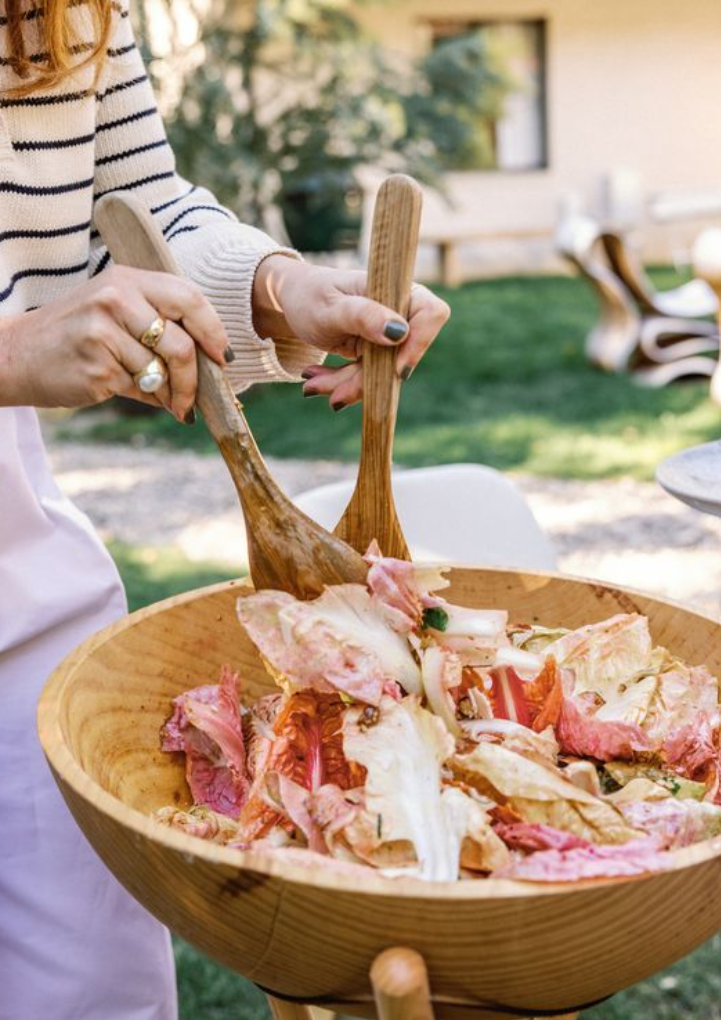
They want to know who grew the salad on their plate. They want to explore the forest and learn about foraging. They want to wander farmers markets instead of luxury malls. They’re swapping crowded restaurants for long-table dinners in orchards. They want conversations with local bakers, roadside stands, and to learn about the recipes passed down through generations. The new luxury is authenticity, not perfection.
This reflects a broader cultural fatigue with hyper-curated experiences. Travelers are craving moments that feel lived-in rather than staged. A bowl of soup made from local ingredients can feel more meaningful than a tasting menu designed for Instagram. Eating has become less about spectacle and more about story - looking for that meal you’ll think about forever.
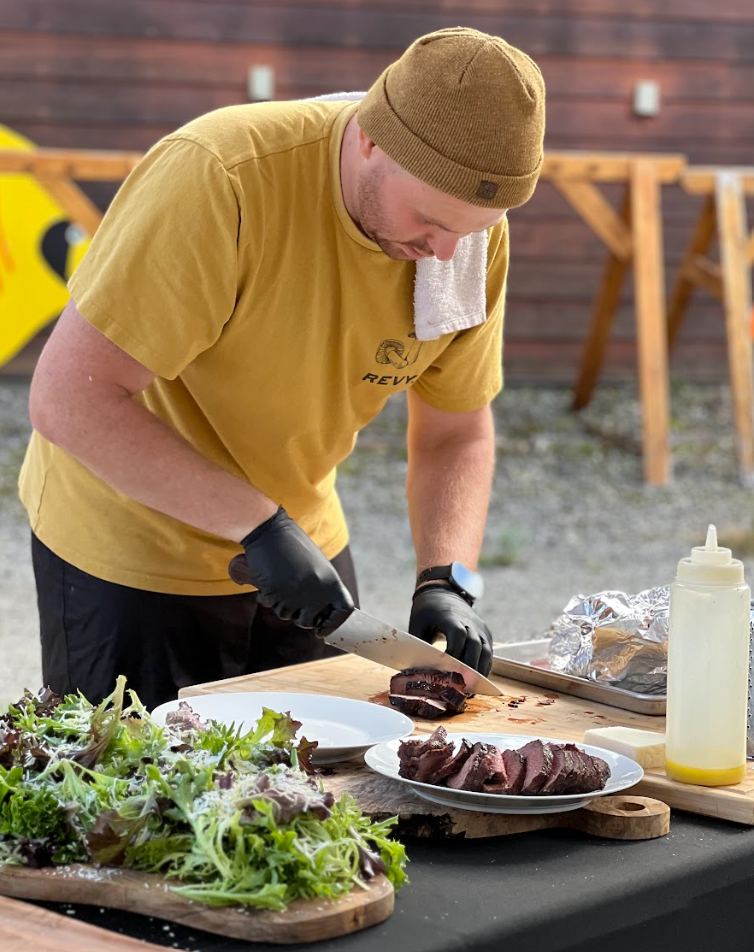
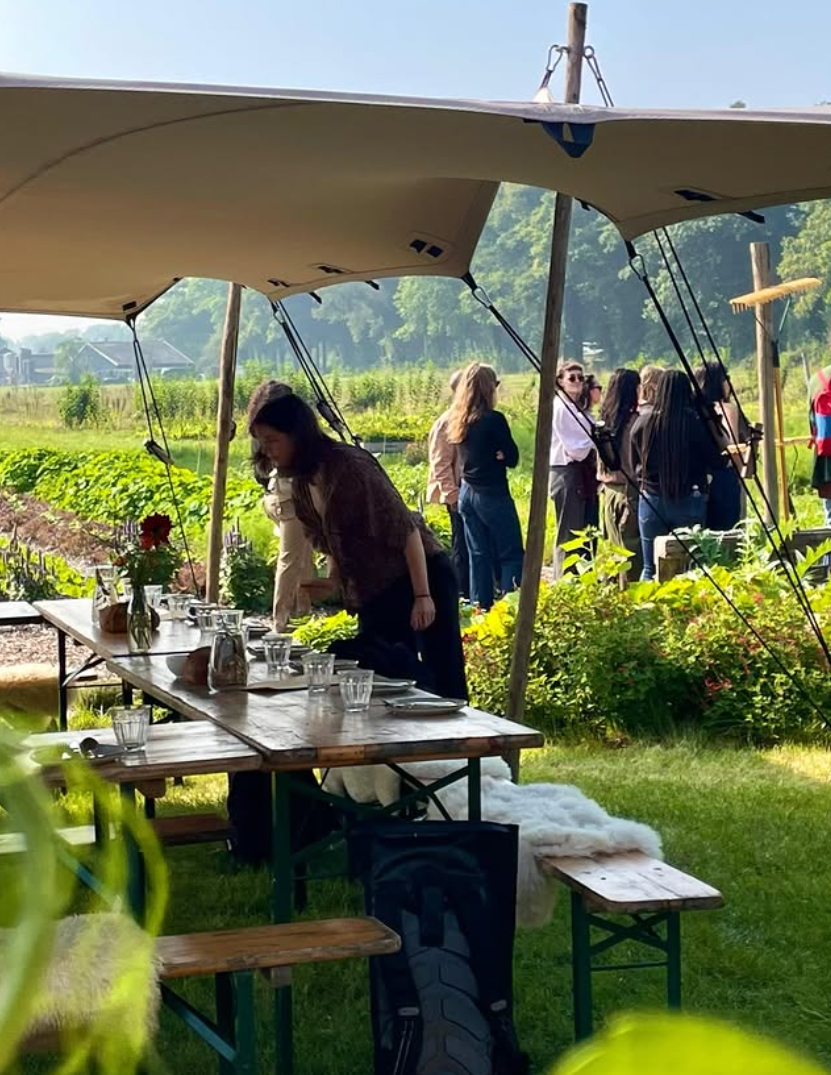
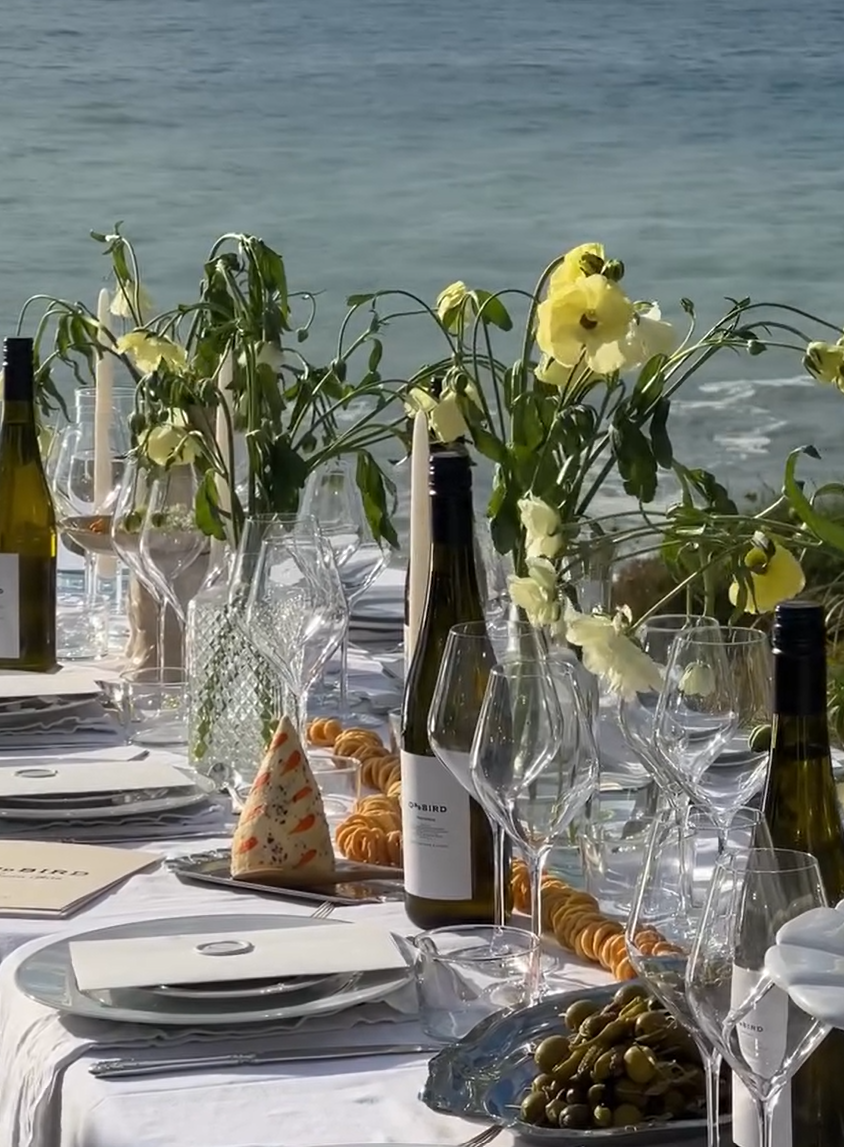
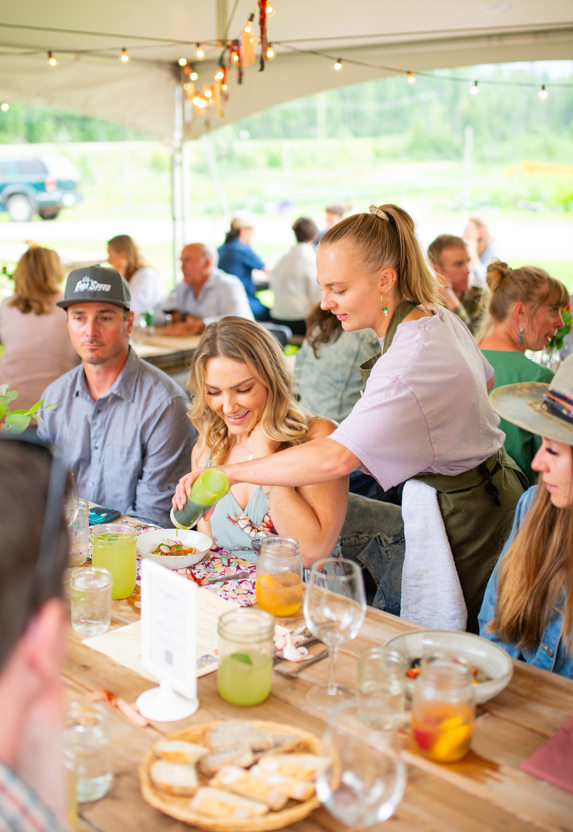

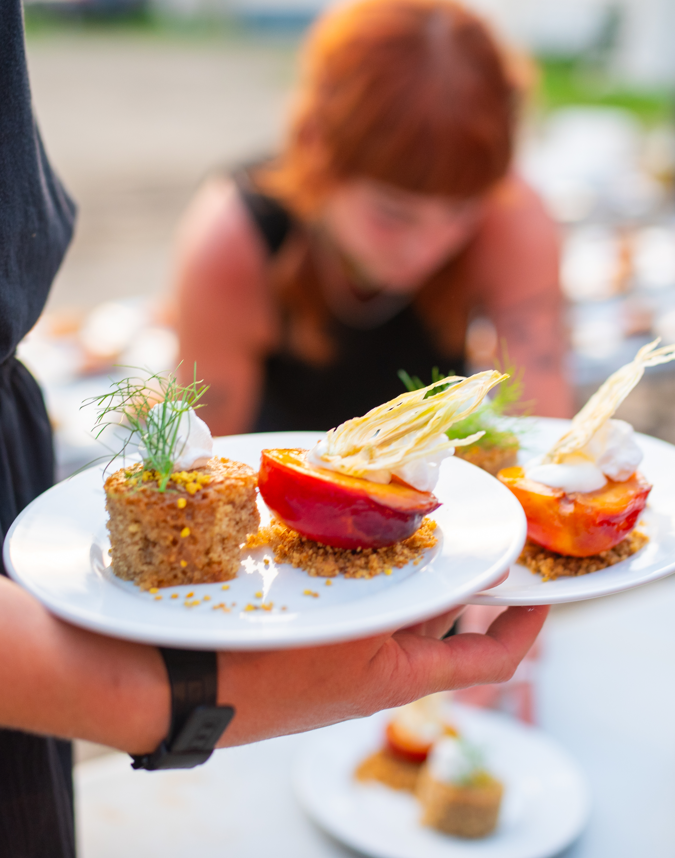
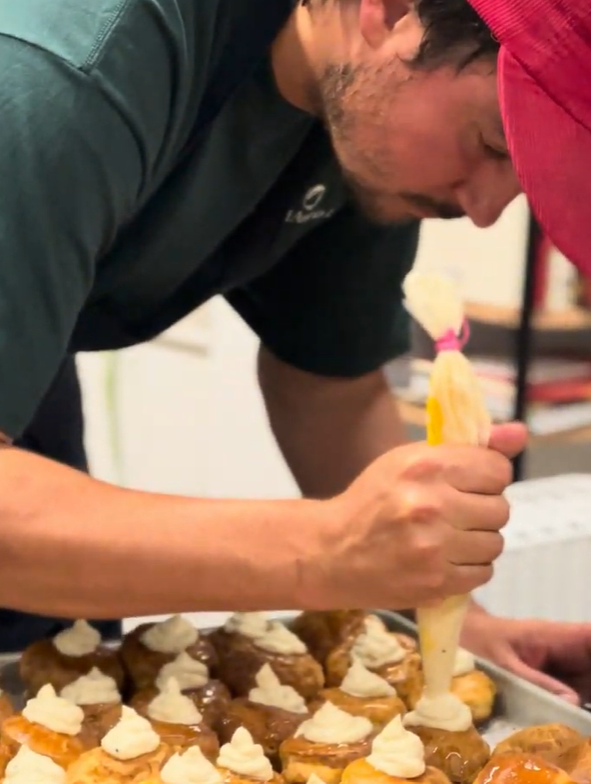
Community farms, food festivals, seed swaps, u-pick orchards, fishing docks, smokehouses, and small-batch producers all become part of a destination’s story that defines the sense-of-place. Here are our 3 favorite ways you can connect with a place’s food story.
Farmers markets have become modern gathering places. They’re not just somewhere to buy produce, but somewhere to encounter the culture of a place. Travelers increasingly want to participate in local food systems, not simply observe them - Revelstoke Local Food Initiative Farmer’s Market
Food gathering experiences are moments in time where you can step into the shoes of the locals who define the food story. Whether you’re stepping into the shoes of the Amalfi fishermen fishing for squid, foraging for mushrooms in the mountains in Revelstoke BC, diving for seaweed in Japan, or truffle hunting experiences in Florence - there is growing desire in slowing down and touching the soil, engaging the senses and rediscovering where nourishment truly comes from.
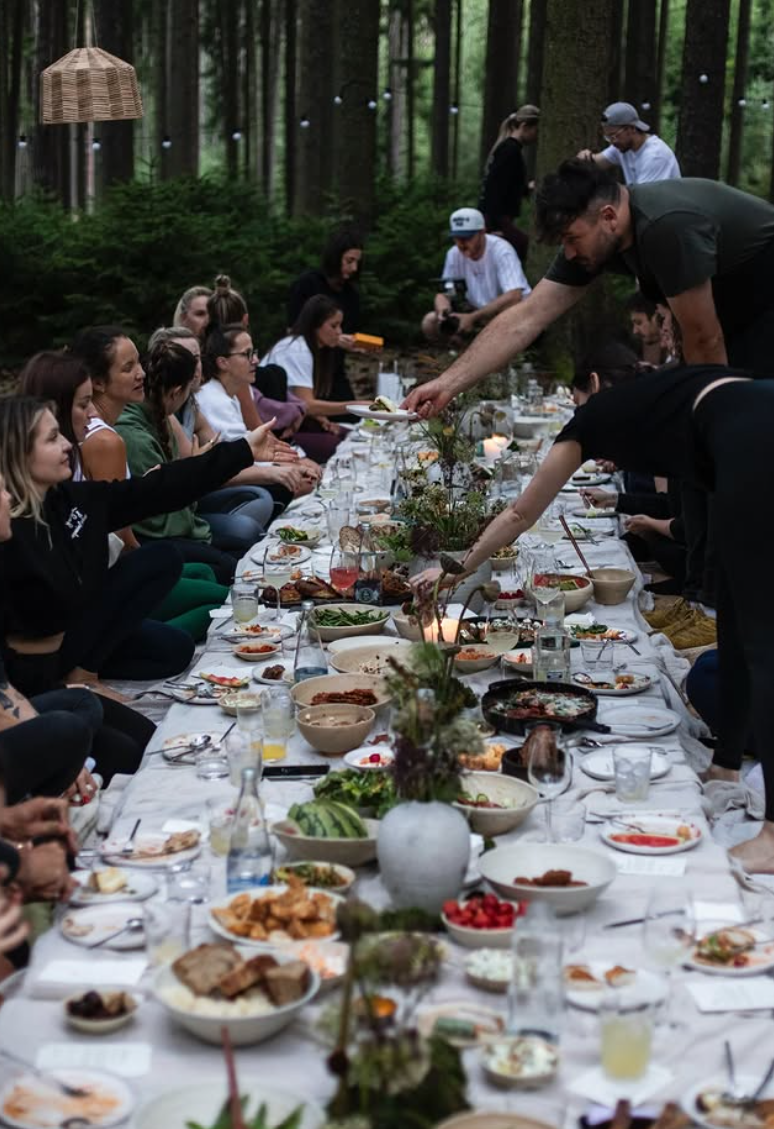
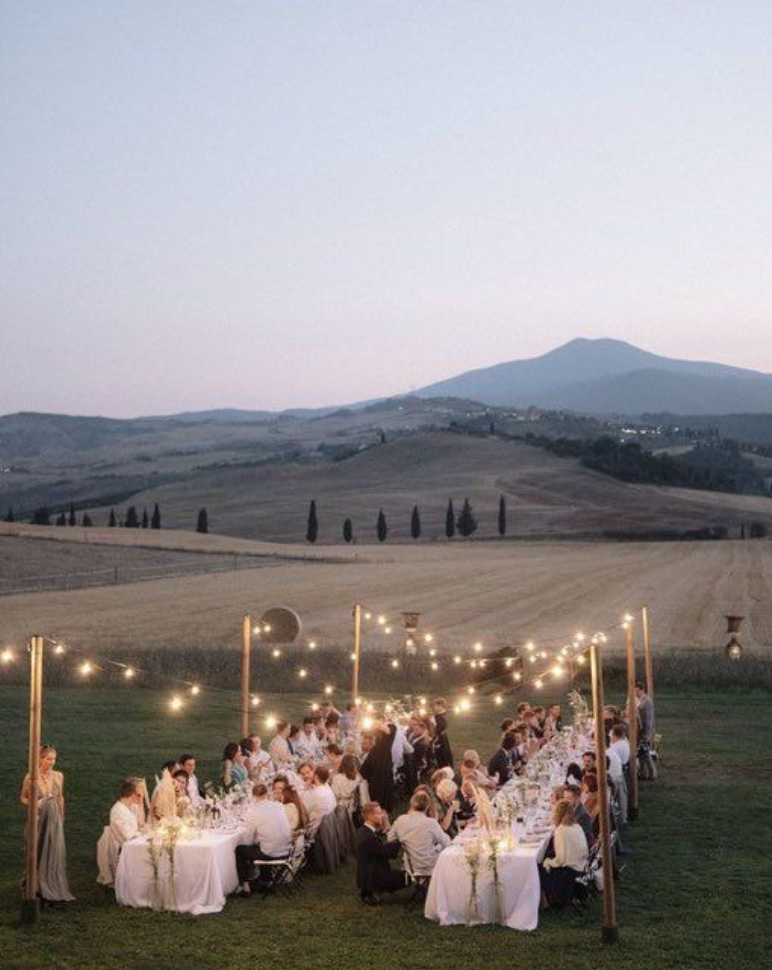
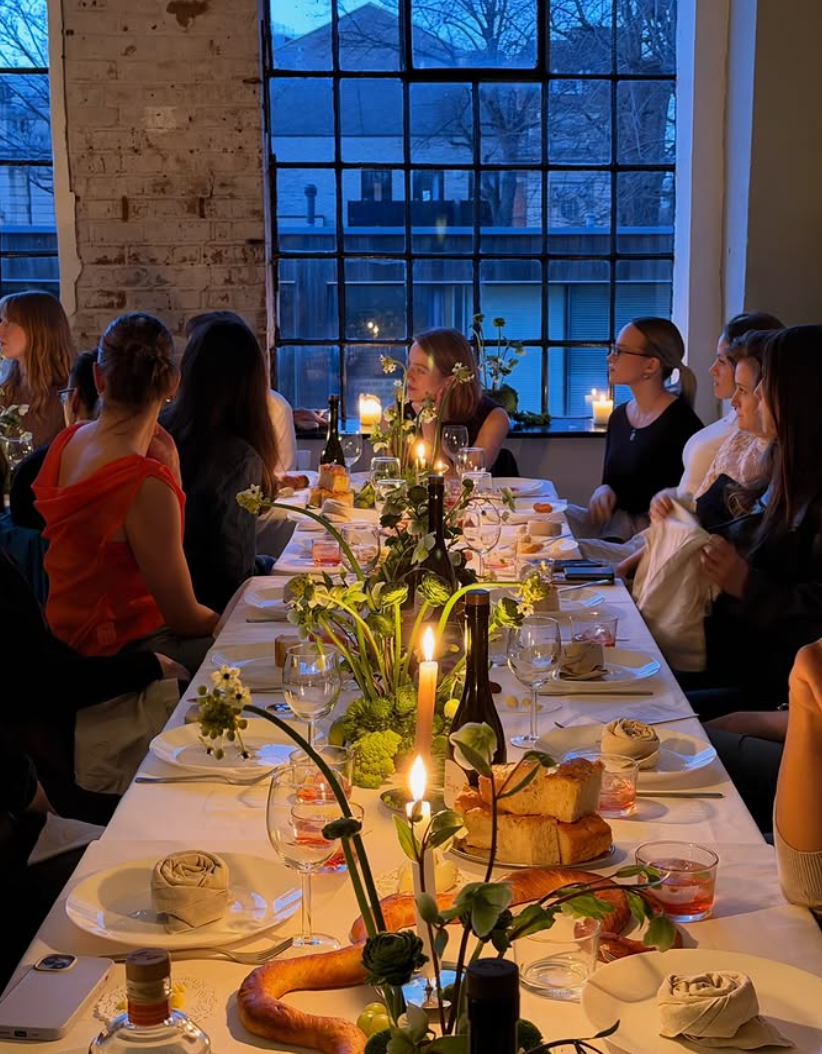
Dinner in unexpected places are having a moment! As New York lofts become the new modern dining room, creating space for up-and-coming chefs to bring people together to test new food concepts in an industry where opening a new restaurant is getting further out of reach. Farmer’s fields, mountain tops, oceanside spaces, streams and forests - anything in possible with a unique vision and a will to make it happen. And more than ever, dinner in unexpected places are offering travelers unique experiences that add value to their experience in your destination.
The most compelling food destinations of the future may not be the flashiest. They may be the places that remain deeply connected to their own rhythms - where food reflects climate, geography, culture, and the people who have defined the story.
Amanda Cockburn, co-founder Revel & Feast